

Cross country guide
Youth cross country equipment checklist
Cross country is one of the least expensive sports to start, but the right shoes and clothes make a big difference in comfort. This checklist covers what a beginner needs and what can wait.
Start with shoes
Shoes are the most important item. A young runner needs a pair of running shoes made for running, not casual sneakers or shoes made for other sports.
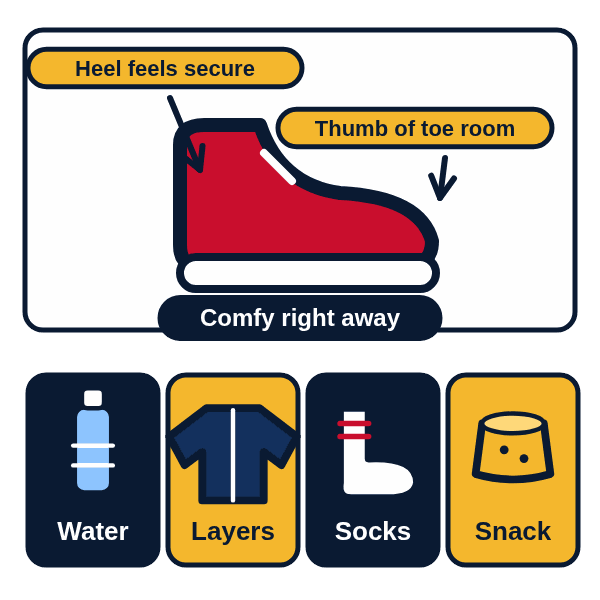
- Fit: shop later in the day when feet are a little larger, and bring the socks your child will run in.
- Toe room: many fitters suggest about a thumb's width of space in front of the longest toe, though sources vary.
- Heel: the heel should feel secure without rubbing or slipping.
- Comfort: the shoe should feel good right away. "Breaking in" a painful shoe is not a good plan.
- Replace: running shoes wear out, and kids outgrow them. Ask your coach or a running store about signs of wear.
Do we need spikes?
Many beginners race in regular running shoes, and some meets or leagues limit spikes. Cross country spikes are lightweight shoes with metal or plastic points for traction. They are optional, and your coach can tell you whether they are allowed and useful. Check the league rules before buying any.
Clothing
- Team uniform: many teams provide or require a singlet and shorts. Follow your team's instructions.
- Moisture-wicking layers: shirts and shorts in athletic fabric are more comfortable than cotton, which can feel heavy when wet.
- Running socks: athletic socks that fit well help reduce rubbing and blisters. Avoid cotton when you can.
- Underlayers: comfortable athletic underwear or a sports bra, if desired, that does not chafe.
Weather gear
Cross country happens in warm early-season heat, cool mornings, rain and sometimes cold. Pack by layers.
- Light long-sleeve top and a light jacket for warm-ups and cool-downs
- Hat or headband and gloves for cold days
- Sun protection such as sunscreen and a hat for hot, sunny meets
- Rain jacket for waiting around, plus a dry change of clothes
- Extra socks and a towel for muddy or wet courses
Running in the race itself usually requires fewer layers than waiting for it, because runners warm up quickly. Ask your coach what to wear at the start line.
Hydration and fuel
Bring a refillable water bottle to every practice and meet. Pack a simple snack for after the race, since kids are often hungry. Families with allergies or medical needs should check with a doctor about what is right for their child. There is no need for special sports drinks or supplements to get started.
The meet bag
- Uniform and bib safety pins if the meet uses bibs
- Race shoes and a spare pair of socks
- Warm-up layers and a rain jacket
- Water bottle and snack
- Towel and a change of clothes
- Sunscreen, hat or gloves, depending on the weather
- Any medical items your child needs, such as an inhaler, labeled and shared with the coach
Safety and fit basics
- Tie shoelaces with a double knot so they stay put on uneven ground.
- Check for blisters or sore spots after runs and tell your coach.
- For early morning or evening practice, bright clothing helps others see your child.
- Remove jewelry that could snag or irritate. Ask your coach about team rules.
If your child has foot pain that lasts, ask your coach or doctor before continuing. For help getting ready for the first day, see how to prepare for cross country season, and check unfamiliar vocabulary in cross country terms for new parents. The cross country hub has more.
Growing feet and changing needs
Children's feet grow quickly, so check the fit of shoes at the start of each season and again partway through if your child is in a growth spurt. Ask your child to tell you about any rubbing, pinching or numbness, because kids do not always speak up. Some families buy a second pair to rotate, but one good pair is enough to begin with. Hand-me-down clothes work well for most items, while shoes are worth fitting individually. Keep everything labeled with your child's name so lost items find their way back to you at crowded meets.
What you can skip
- Expensive gadgets. A GPS watch, heart-rate strap or earbuds are not needed to begin, and headphones may not be allowed at meets.
- Special sports drinks and supplements. Water is the starting point. Ask a doctor with any questions.
- Several pairs of shoes. One comfortable pair is enough at first.
- Brand pressure. Fit and comfort matter more than a logo or what teammates wear.
Wet and muddy days
Courses can be slippery after rain. Pack a plastic bag for muddy shoes, a towel, and a full dry change including socks. Dry shoes between uses, and avoid leaving them in a hot car or sealed bag for long. Ask your coach whether the team has a plan for wet-weather meets and whether spikes are allowed or advised on that course.
Keeping costs down
Ask the team whether there is a uniform exchange or a gently used gear table, and check with teammates' families about outgrown clothes. Running stores often have staff who can check fit, and some are used to fitting young runners. Spend first on shoes, then on weather layers, and treat everything else as optional.
Common mistakes
- Buying shoes a size or two too big so they last longer, which can cause slipping and blisters.
- Wearing brand-new shoes for the first time on race day.
- Overdressing for the race itself, then overheating after the first few minutes.
- Forgetting an inhaler or other medical item that the coach should know about.
For more on keeping a runner comfortable and healthy, read cross country injury prevention basics for parents.
In BlackForge Sports: one app for every sport your family plays, with live scores, highlights that make themselves and parent-controlled profiles. Get early access and tell us you’re here for cross country. Get early access →
Sources and further reading
- NFHS - Cross Country Rules NFHS
- Safety Tips for Runners & Joggers KidsHealth (Nemours)
- Tips to Prevent Sports Injuries in Children & Teens HealthyChildren.org (American Academy of Pediatrics)
Links open in a new tab. Quotations are short excerpts, included with attribution for commentary. BlackForge Sports is not affiliated with or endorsed by the people or organizations named.
Frequently asked questions
What is the one thing a beginner must buy?
A comfortable pair of running shoes that fit well. Most other items can be simple athletic clothes the child already owns.
Do kids need spikes for cross country?
Not usually when starting out. They are optional, and some leagues have rules about them, so ask your coach first.
Is cotton okay to run in?
It works, but athletic fabric is generally more comfortable because cotton can feel heavy and rub when wet.
What should we bring to a meet?
Uniform, shoes, extra socks, layers for the weather, water, a snack and a dry change of clothes.
How often do kids need new running shoes?
It varies with how much a child runs and how fast they grow. Check fit at the start of each season and ask your coach or a running store about signs of wear.